Japanese Decorative Folding Hand Fan: A Blend of Tradition and Modern Design
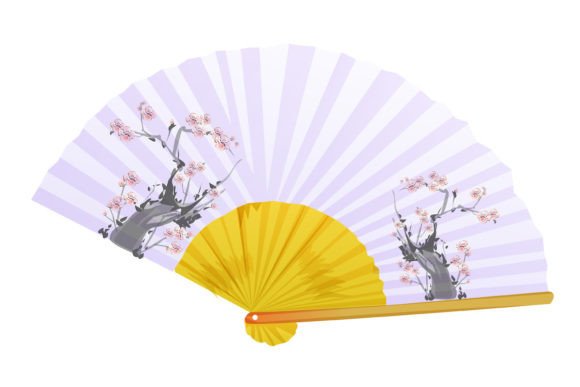
The Japanese Decorative Folding Hand Fan, or ōgi, is more than just a tool for cooling; it's an artistic expression rooted in centuries of cultural heritage. Originating as a ceremonial object in Japan, these fans have evolved into versatile design elements used in fashion, interior décor, branding, and creative projects. Their intricate patterns, elegant craftsmanship, and symbolic meanings make them valuable assets for professionals seeking to incorporate traditional aesthetics into modern applications.
Historical Roots and Cultural Significance
Traditional Japanese folding fans date back to the Heian period (794–1185 AD), where they were initially reserved for the imperial court and aristocracy. Over time, they became popular among samurai, geisha, and common citizens alike, serving both practical and performative purposes. In tea ceremonies, calligraphy events, and theatrical performances such as Noh and Kabuki, the fan played a crucial role in conveying emotion and symbolism through subtle gestures.
Today, while the ceremonial use has diminished, the aesthetic appeal and versatility of the Japanese Decorative Folding Hand Fan remain strong. Its historical significance adds depth and authenticity to any project that incorporates it, especially in contexts involving Japanese culture, art, or heritage.
Key Characteristics and Design Elements
A well-crafted Japanese folding hand fan typically features:
- Elegant folding mechanisms made from materials like bamboo, paper, or silk
- Intricate surface designs, often including floral motifs, nature scenes, or traditional patterns
- Hand-painted or printed imagery using techniques passed down through generations
- Lightweight yet durable construction for easy handling and long-term use
These fans are usually symmetrical, with each side offering a mirror-like reflection of the design. The choice of materials can vary widely, from delicate washi paper to sturdier synthetic options, depending on the intended use and desired longevity. Whether you're looking to add a touch of elegance to a presentation or create custom merchandise, the visual impact of an ōgi is undeniable.
Practical Uses in Modern Projects
While many people might associate the Japanese folding fan with traditional settings, its application extends far beyond that. Designers, marketers, educators, and entrepreneurs can leverage this asset in various ways:
- Event Décor: Incorporate fan visuals into invitations, banners, or backdrops for cultural festivals, weddings, or themed parties.
- Brand Identity: Use fan motifs in logos, packaging, or promotional materials to evoke a sense of sophistication and heritage.
- Fashion and Textile Design: Fans serve as inspiration for prints, accessories, or even costume elements in theatrical productions.
- Interior Design: As wall art, room dividers, or accent pieces, decorative folding fans bring a unique aesthetic to spaces.
- Illustration and Graphic Design: Artists can draw from the fan’s structure and motifs to create culturally rich visual content.
With the availability of digital versions, such as downloadable vector and PNG files, integrating these designs into your workflow becomes effortless and adaptable.
Quality and Flexibility of Digital Assets
When you download a Japanese Decorative Folding Hand Fan design, you gain access to high-quality files that maintain clarity at any size. These include:
- Vector EPS file: Perfect for scalability without loss of resolution, ideal for print or digital media.
- PNG file: Offers transparency for seamless integration into web pages or layered design projects.
- JPEG preview: Provides a quick reference before opening the editable version.
All objects within the design are color-editable, allowing customization to match brand palettes, seasonal themes, or personal preferences. Opening the file in Adobe Illustrator gives users full control over individual elements, making it easy to modify shapes, textures, or layout. This flexibility ensures the design remains relevant across different platforms and mediums.
Usability Across Industries
Professionals in multiple fields can benefit from the inclusion of a Japanese Decorative Folding Hand Fan in their design toolkit:
- Marketers and Entrepreneurs: Use the fan motif in product packaging, social media graphics, or website headers to stand out with a unique visual identity.
- Graphic Designers: Leverage the intricate patterns and symmetry for poster designs, greeting cards, or editorial illustrations.
- Bloggers and Publishers: Integrate fan imagery into blog headers, book covers, or magazine layouts to enhance visual storytelling.
- Small Business Owners: Create custom merchandise such as phone cases, T-shirts, or stationery featuring the fan for niche markets.
- Freelancers and Creators: Enhance portfolio presentations or client deliverables with culturally rich visuals.
The adaptability of the design makes it suitable for both minimalist and elaborate projects. Its timeless look bridges traditional and contemporary styles effectively.
Real-World Performance and Limitations
In practice, the Japanese Decorative Folding Hand Fan functions best when used thoughtfully. For example, in a marketing campaign targeting a Western audience with a focus on Japanese culture, the fan could be used subtly in background elements to avoid overwhelming the message. Conversely, in a dedicated cultural event or educational material about Japanese traditions, the fan can be featured prominently to reinforce the theme.
However, there are limitations to consider. The fan's detailed patterns may not suit all design styles—particularly those favoring ultra-modern minimalism. Additionally, while the digital assets offer high quality, the effectiveness of the design depends on how well it aligns with the overall aesthetic and purpose of the project. It's important to evaluate whether the fan complements the existing visuals or distracts from the main message.
Who Can Benefit Most?
Certain groups will find the Japanese Decorative Folding Hand Fan particularly useful:
- Design Agencies: Seeking to offer clients a range of culturally inspired assets.
- Content Creators: Looking to differentiate their work with authentic Japanese elements.
- Teachers and Educators: Wanting to visually engage students during lessons on Japanese history, art, or language.
- Event Planners: Creating immersive experiences for weddings, galas, or cultural exhibitions.
- Entrepreneurs in Fashion or Lifestyle Brands: Aiming to infuse their products with global or artisanal appeal.
Those who value historical accuracy, aesthetic diversity, and cross-cultural relevance will likely derive the most benefit from this resource. It also appeals to anyone interested in creating visually compelling content without compromising on detail or tradition.
Professional Observations and Recommendations
From a professional standpoint, the Japanese Decorative Folding Hand Fan stands out due to its balance of form and function. When evaluating its potential for a project, it's essential to consider the context and target audience. If the goal is to evoke a sense of refinement or introduce an element of Japanese culture, this design is an excellent choice.
One practical recommendation is to pair the fan design with complementary elements—such as koi fish, cherry blossoms, or shoji screens—to maintain visual harmony. Avoid using it in cluttered compositions where it might lose its impact. Instead, let it serve as a focal point or a subtle accent depending on the project's needs.
For freelancers and small businesses, the ability to edit colors and layers in Adobe Illustrator is a major advantage. It allows for quick adjustments and ensures the design fits seamlessly into diverse workflows. However, beginners unfamiliar with vector editing tools may need to invest some time learning the basics of Illustrator to maximize the asset’s potential.
Long-Term Value and Consistency
The enduring popularity of Japanese-inspired design means that the Japanese Decorative Folding Hand Fan continues to hold relevance. Unlike trends that fade quickly, this icon has a lasting appeal due to its deep cultural roots and universal beauty. Its consistent presence in both historical and contemporary contexts ensures it remains a reliable visual element for years to come.
Additionally, because the fan is available in multiple formats, it supports future-proofing your designs. Whether you're printing posters today or preparing assets for web use tomorrow, having scalable vectors and transparent PNGs ensures compatibility and adaptability across evolving technologies and standards.
Final Thoughts
The Japanese Decorative Folding Hand Fan offers a unique blend of tradition and modernity, making it a valuable addition to any designer's library. Its visual richness, combined with the flexibility of editable digital files, allows for creative freedom while maintaining authenticity. By understanding its origins, characteristics, and appropriate applications, professionals can harness its potential to elevate their work and connect with audiences on a deeper level.
If you're working on a project that benefits from cultural nuance, aesthetic depth, or a touch of elegance, the Japanese Decorative Folding Hand Fan could be exactly what you're looking for. Just ensure that the design serves a clear purpose and enhances rather than complicates your message. With thoughtful implementation, this fan can become a meaningful and memorable part of your creative output.